 INESCINESCINESC
Coverage of the INESC system in the media and institutional communications.
13 articles

A new project, another chapter in the collaboration between INESC TEC and Taiwan’s NIAR, towards creating a platform capable of interpreting researchers’ requests and recommending the most suitable cancer research tools – more quickly, transparently, and reproducibly. These tools are known as PDX models, short for patient-derived xenografts – preserved tumour samples taken from cancer patients and used for research.

Speaking at Conferência .IA, organised by ECO at the Centro Cultural de Belém, Arlindo Oliveira, President of INESC, argued that Portugal’s five million euro bet on Amália has already paid off, just not in the way most people would expect. He also pointed to SAIL, INESC-ID‘s centre of excellence, as a working example of how Europe can respond to the pressure for technological sovereignty.
For Oliveira, Amália’s value has little to do with the model itself. What matters is the dozens of people in Portugal who now know how to configure and train large AI models, expertise that would likely have left for northern Europe or the United States without a project to build it around.
He also challenged ECO’s partner companies to explore technology transfer partnerships with SAIL, INESC-ID’s centre of excellence in responsible and sustainable AI. SAIL includes a joint doctoral programme with Rheinland-Pfälzische Technische Universität and industry technology transfer projects, backed by 27.2 million euros from Horizon Europe, the Portuguese government and INESC.
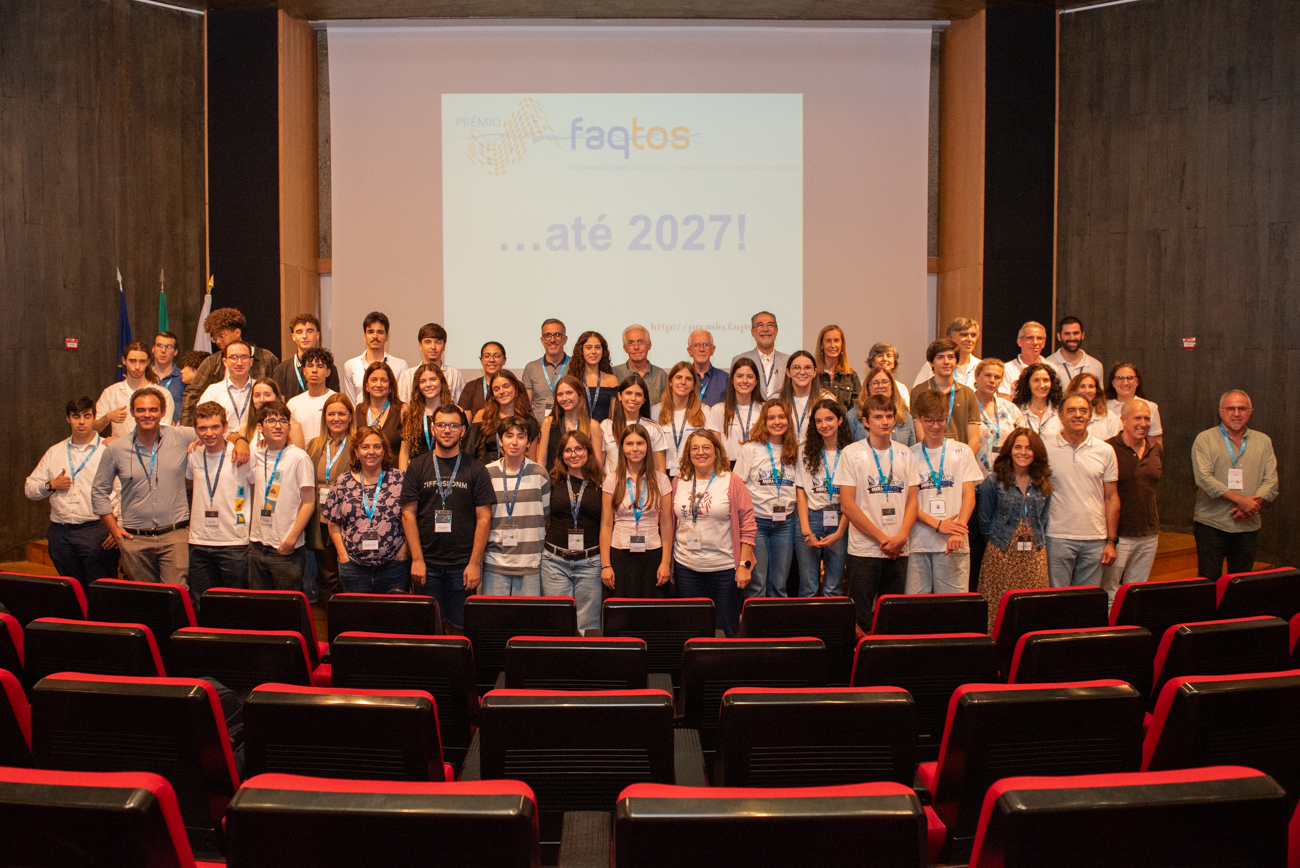
INOV awarded the 2026 edition of the FAQtos prizes on 11 July, at the Congress Centre of Instituto Superior Técnico. The initiative, run by INOV in partnership with IST, recognises projects developed by secondary school students in environmental monitoring, digital health and smart technologies.
Jorge Sá Silva, researcher at INESC Coimbra, coordinates SHIELD-EU, funded by FCT under the DEFENCE + SCIENCE 2025 call for exploratory research at the intersection of science, technology and defence.
The project develops a defence architecture built on intelligent Internet of Things technologies, Edge AI and cognitive, emotional and behavioural models, to strengthen resilience against hybrid warfare threats, where digital, informational, psychological and operational dimensions interact. A central focus is supporting decision-making and response in high-pressure environments, processing critical information faster and more securely without relying on centralised infrastructure.
SHIELD-EU is developed in collaboration with the Portuguese Air Force.
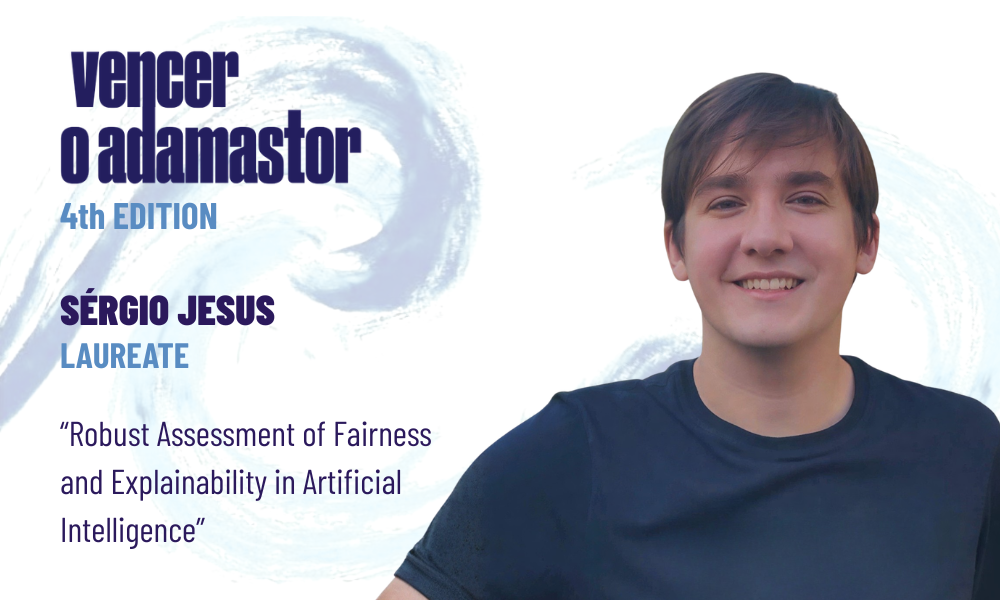
Sérgio Jesus, a researcher at Feedzai and a PhD graduate in Computer Science from the University of Porto’s Faculty of Sciences, has won the 4th edition of the Adamastor Award, worth 20,000 euros. His award winning work develops a methodology to evaluate the fairness and explainability of AI systems used in real world decisions, such as fraud detection. The team also released two open source resources, the Bank Account Fraud dataset and the Aequitas Flow library, now incorporated into the Feedzai Fairness Suite. The ceremony takes place this Monday at the Ferreira da Silva Auditorium at FCUP, attended by the President of the Republic, António José Seguro.
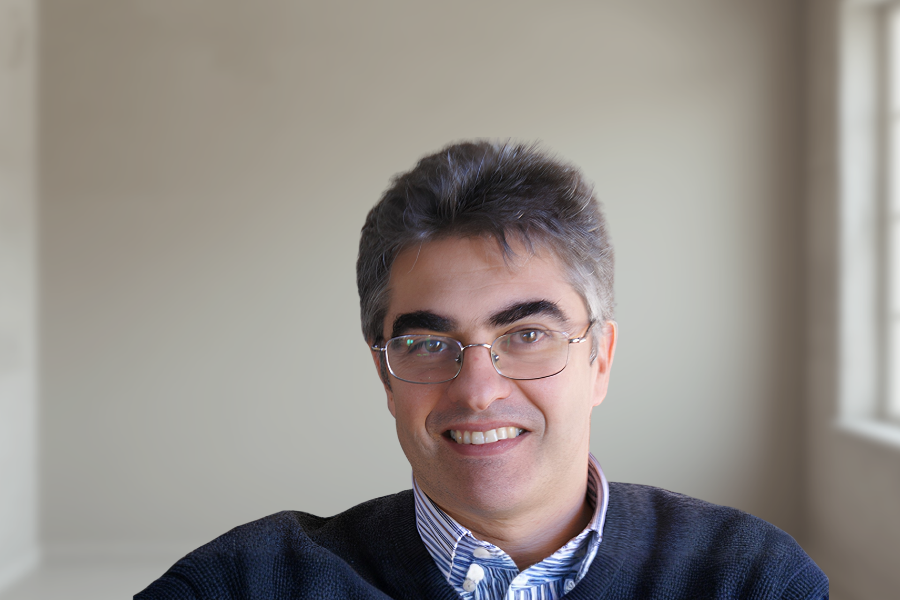
Artificial intelligence attacks computer systems but also defends them. Carlos Ribeiro, researcher at INESC INOV and member of the management board of INESC INOV-Lab, examines this dual role in an opinion piece published in ECO.
He identifies three areas where this happens: cybercrime, attack detection, and attacks on AI systems themselves, considering the latter the most concerning. Put simply, an attacker can hide instructions inside a seemingly ordinary request, causing an AI assistant to act differently than intended, a problem that already existed since 1988 in other computer systems and now resurfaces in language models. Carlos Ribeiro closes by pointing to a structural imbalance between attacker and defender. The former chooses the target, the latter has to protect everything.
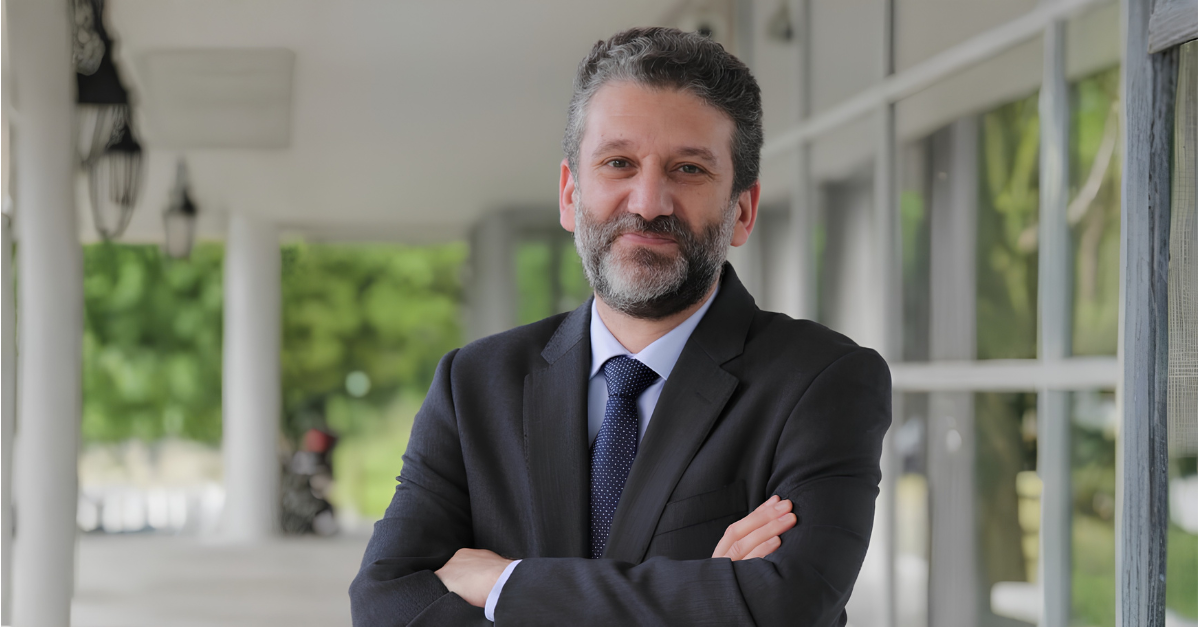
João Claro, Chairman of INESC TEC, spoke with António Costa Silva at Liga dos Inovadores about why bridging science and industry remains so difficult in Portugal — and how institutions like INESC TEC, with over 700 researchers and spin-offs such as Kep Soft, LTP Labs and Ilof, keep finding ways to close that gap. Listen at Expresso.

Prof. Arlindo Oliveira, Chairman of INESC and member of the steering committee of Portugal’s National Artificial Intelligence Agenda, was interviewed by Renascença and Público on the programme Hora da Verdade. The conversation covers the encyclical Magnifica Humanitas, the absence of an integrated vision for AI use in public administration, the current state of the Amália project, risks for education, and the approaching threshold of recursive self-improvement in AI models. The full interview is available at Público.
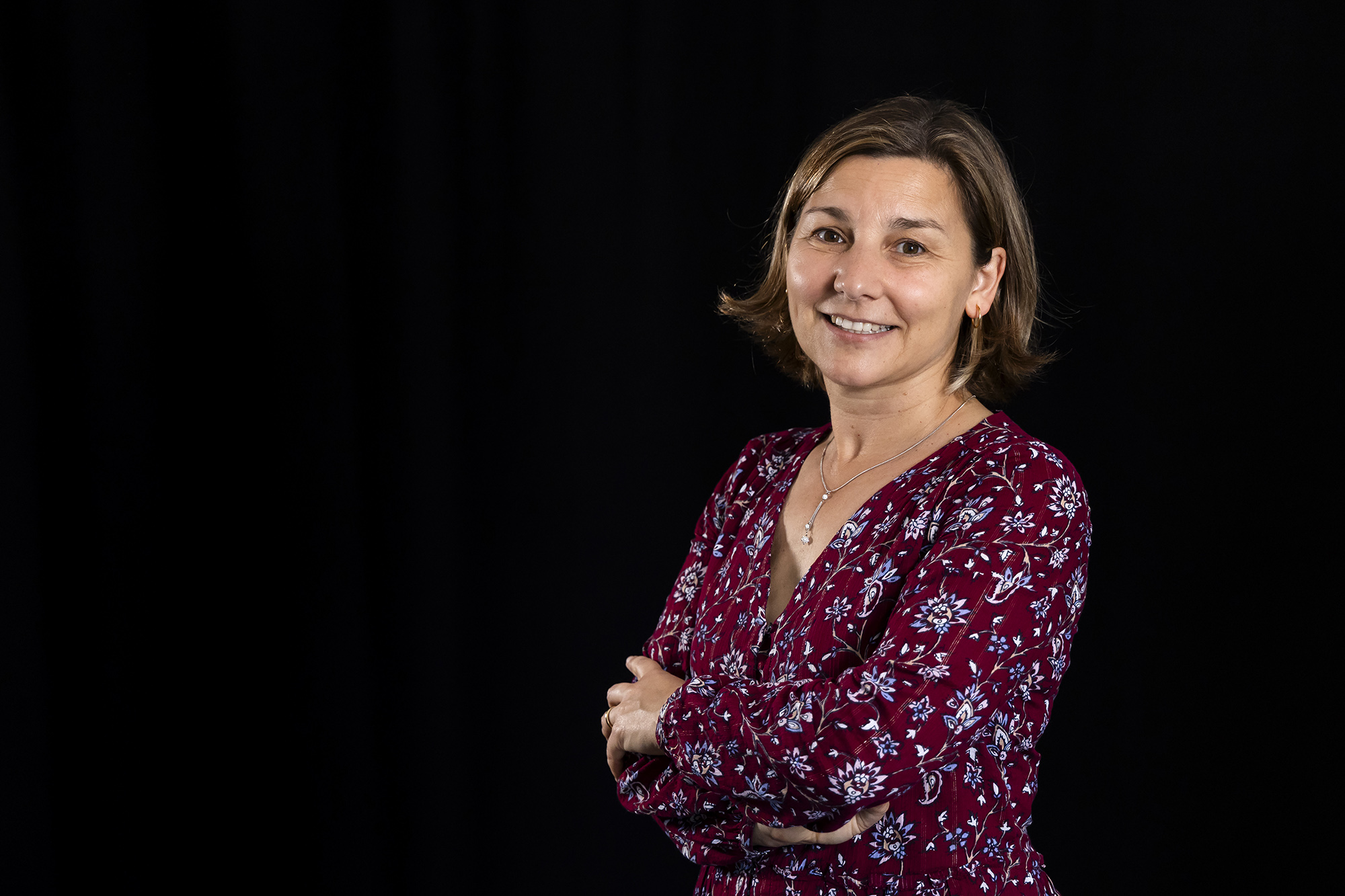
In the seventh episode of ECO’s Podcast .IA, Inês Lynce, president of INESC-ID, explains how SAIL, an artificial intelligence laboratory backed by €27.2 million from Horizon Europe, was designed to bring science all the way down the chain: from research to companies, through advanced training and technology transfer.

The Adamastor Award marks its 4th edition tomorrow, 6 July. The ceremony takes place at the Auditório Ferreira da Silva, FCUP, with the President of the Republic, António José Seguro, in attendance. The livestream is available on Público’s YouTube channel.
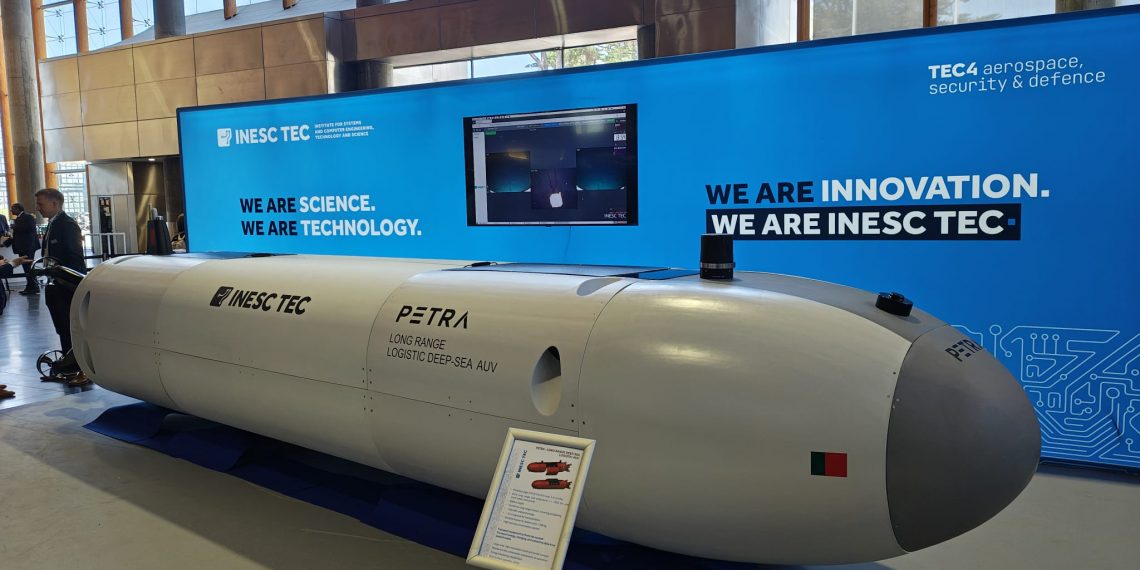
There is nothing like it in the world. The prototype is under development and already has its first mission scheduled for May 2027, where it will remain on the seabed for two weeks.
From INESC-ID: Ana Paiva, Joaquim Jorge, Miguel Pupo Correia, Luis Rodrigues, Francisco Correia dos Santos, Arlindo Oliveira, Rui Maranhao Abreu, Rodrigo Rodrigues, Leonel Sousa, Isabel Trancoso, Manuel Lopes, Mário Silva and Bruno Martins.
From INESC TEC: João Gama, Carlos Soares and Pavel Brazdil.
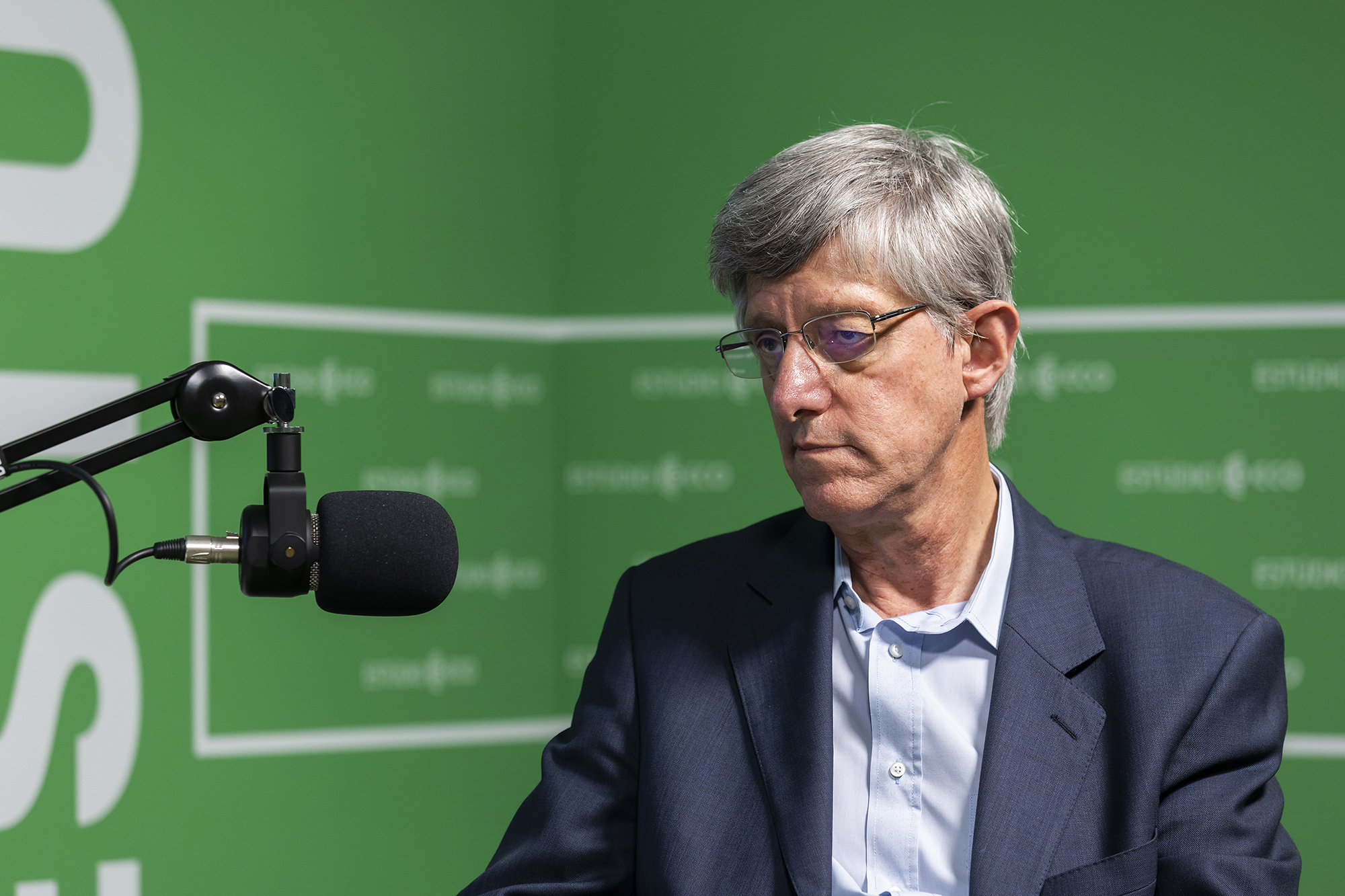
Europe risks falling behind in the global technology race — too fragmented, undercapitalised, and slow to adopt. INESC Chairman Arlindo Oliveira sets out his diagnosis in the seventh episode of ECO’s .IA Podcast, recorded after a trip to China, South Korea and Japan.