









News
ALL NEWS >
INESC TEC and NIAR join forces to optimise cancer research using Artificial Intelligence
A new project, another chapter in the collaboration between INESC TEC and Taiwan’s NIAR, towards creating a platform capable of interpreting researchers’ requests and recommending the most suitable cancer research tools – more quickly, transparently, and reproducibly. These tools are known as PDX models, short for patient-derived xenografts – preserved tumour samples taken from cancer patients and used for research.
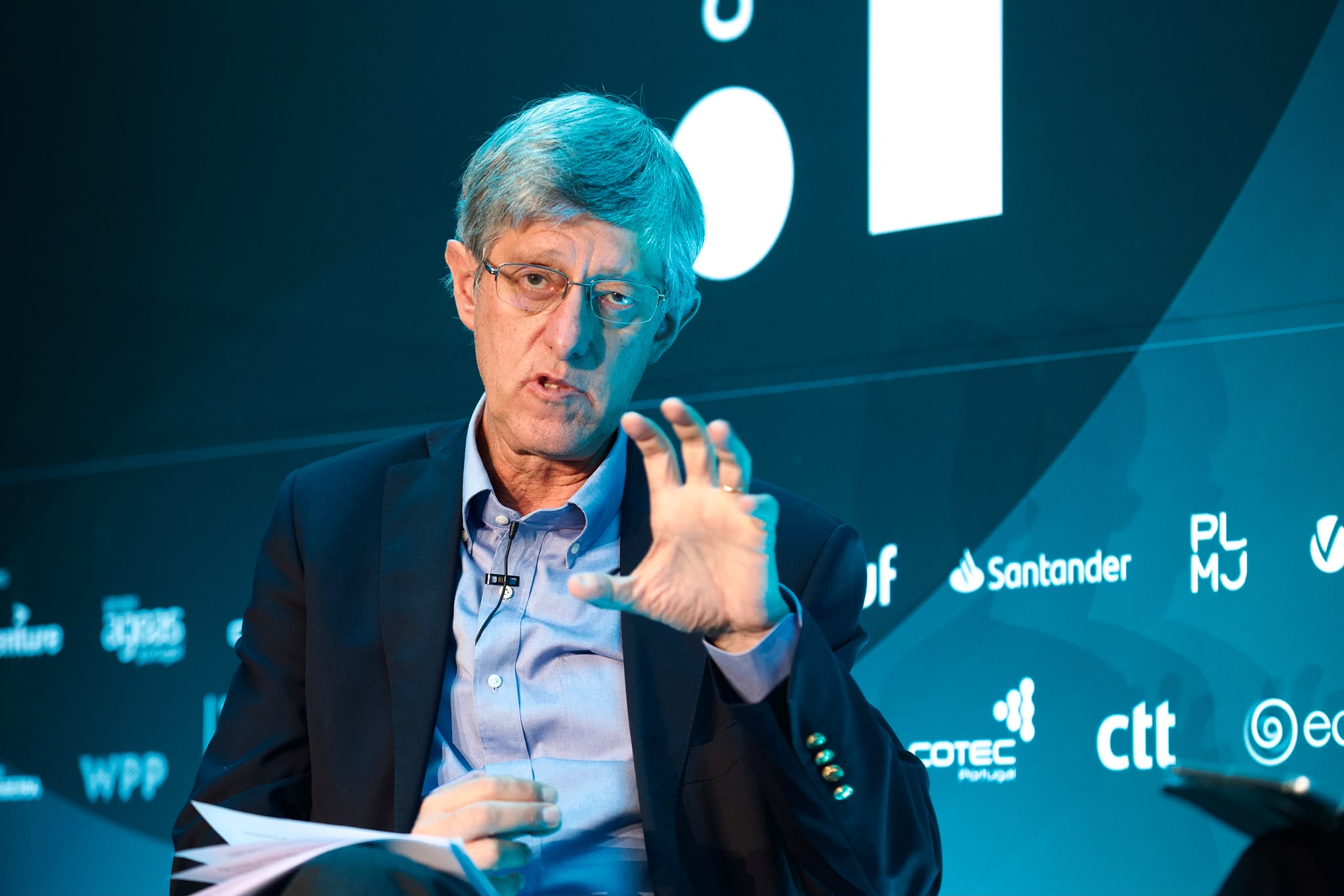
Arlindo Oliveira: Amália’s real return is the talent it kept in Portugal, and SAIL shows Europe’s path on tech sovereignty
Speaking at Conferência .IA, organised by ECO at the Centro Cultural de Belém, Arlindo Oliveira, President of INESC, argued that Portugal’s five million euro bet on Amália has already paid off, just not in the way most people would expect. He also pointed to SAIL, INESC-ID‘s centre of excellence, as a working example of how Europe can respond to the pressure for technological sovereignty.
For Oliveira, Amália’s value has little to do with the model itself. What matters is the dozens of people in Portugal who now know how to configure and train large AI models, expertise that would likely have left for northern Europe or the United States without a project to build it around.
He also challenged ECO’s partner companies to explore technology transfer partnerships with SAIL, INESC-ID’s centre of excellence in responsible and sustainable AI. SAIL includes a joint doctoral programme with Rheinland-Pfälzische Technische Universität and industry technology transfer projects, backed by 27.2 million euros from Horizon Europe, the Portuguese government and INESC.
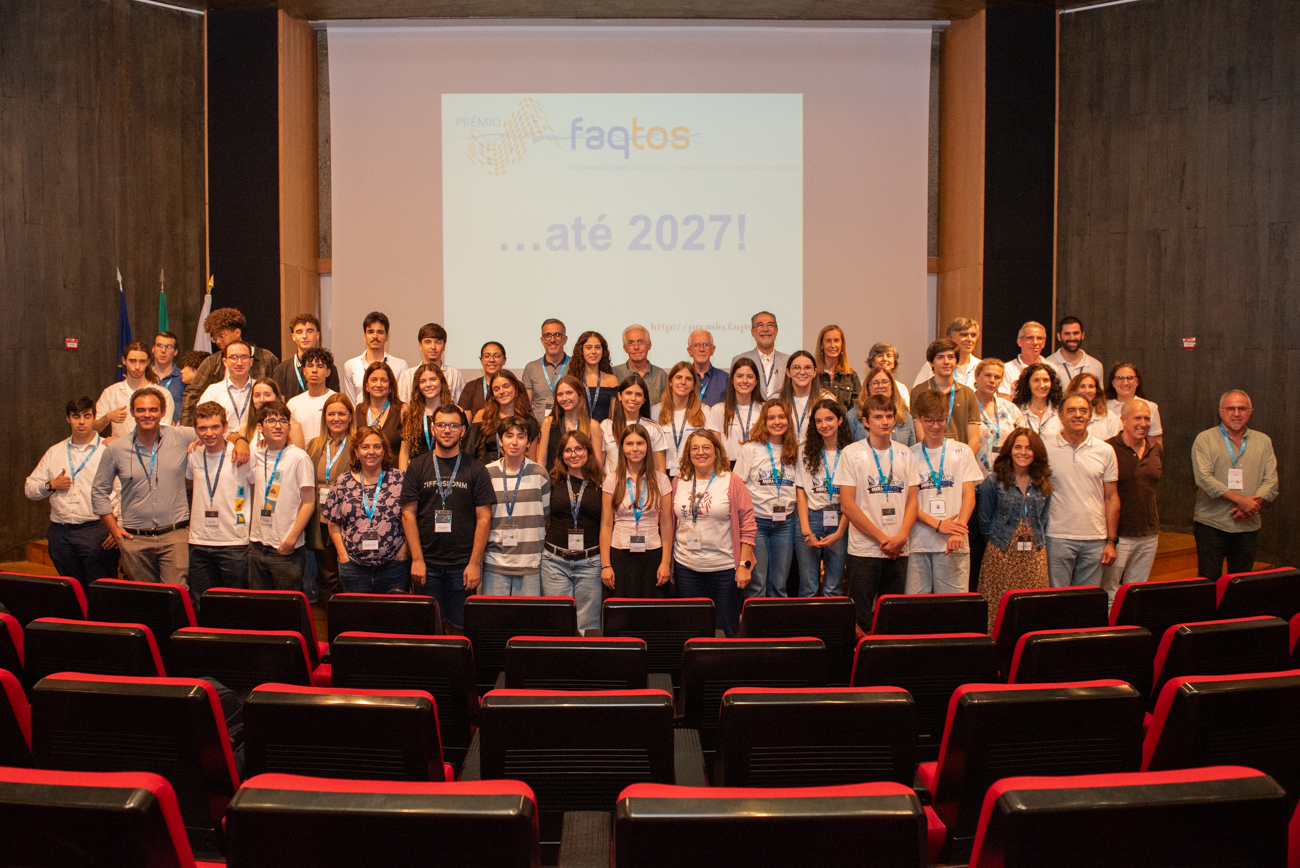
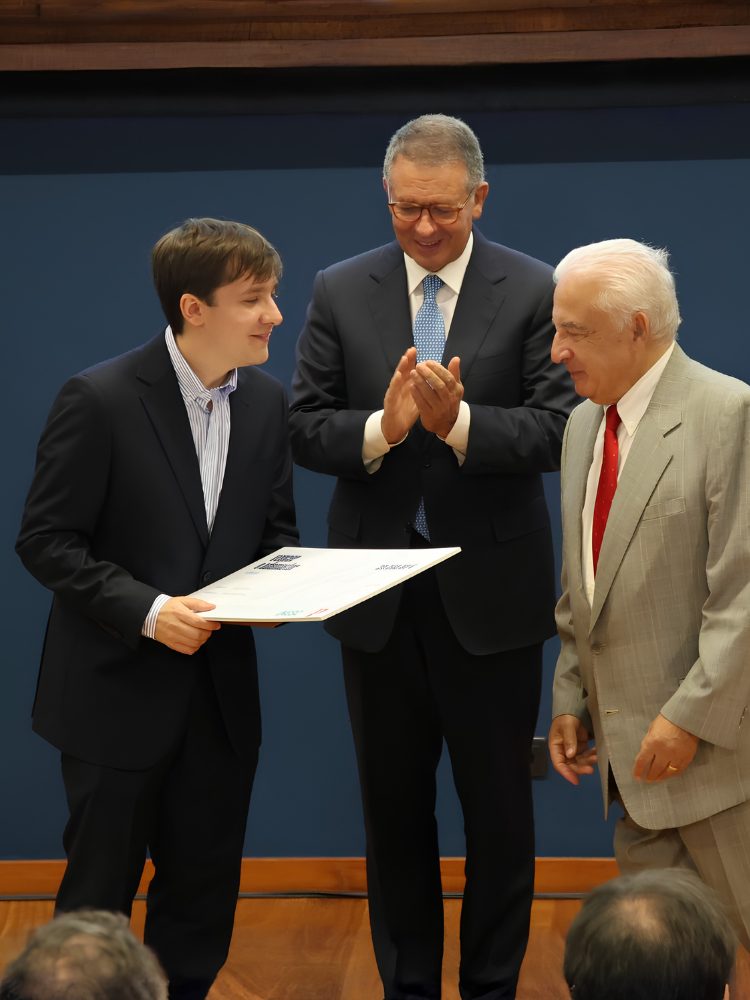
From the environment to digital health: FAQtos 2026 Award recognises young tech innovation
INOV awarded the 2026 edition of the FAQtos prizes on 11 July, at the Congress Centre of Instituto Superior Técnico. The initiative, run by INOV in partnership with IST, recognises projects developed by secondary school students in environmental monitoring, digital health and smart technologies.